Established · Private Sourcing
True Shine
Gems
True Shine Gems specialises in the exclusive sourcing of certified precious gemstones from the world’s most distinguished mines. Each stone is selected with uncompromising attention to rarity, provenance, and enduring beauty — reserved for those who value the exceptional.
This platform has been conceived as both a sourcing house and a reference. The depth of information presented throughout is deliberate: an exploration of colour, clarity, cut, geological formation, and market significance. It exists to inform as much as to offer — because knowledge is integral to discernment, and discernment defines true value.
Through established relationships at source and rigorous standards of verification, every gemstone is approached with precision and complete transparency. This collection illustrates only a portion of what may be sourced upon request.
Tanzanite
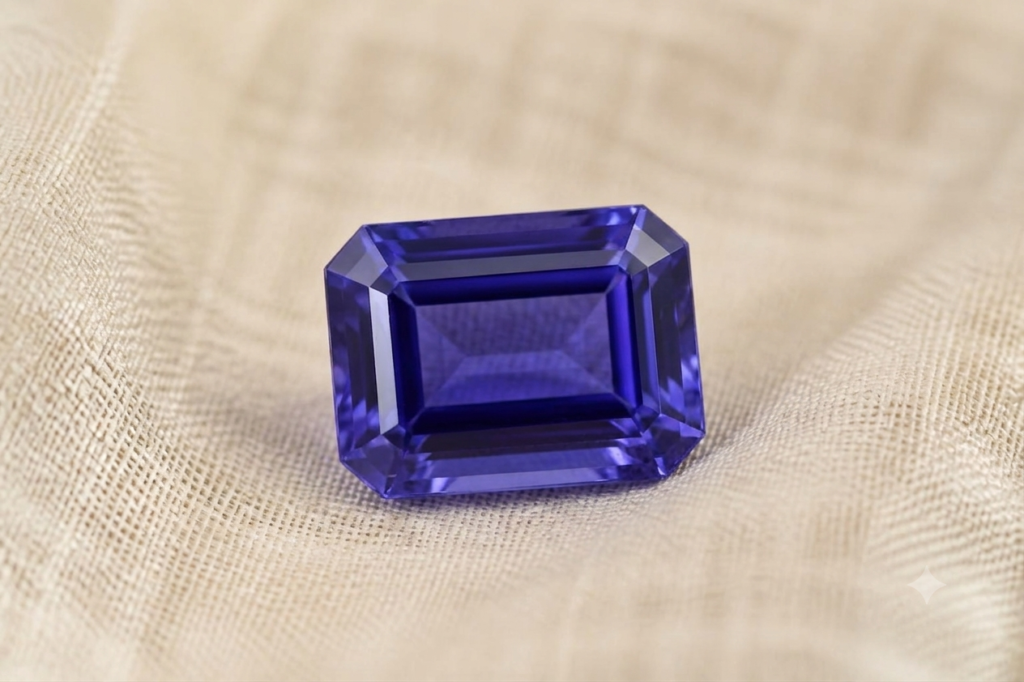
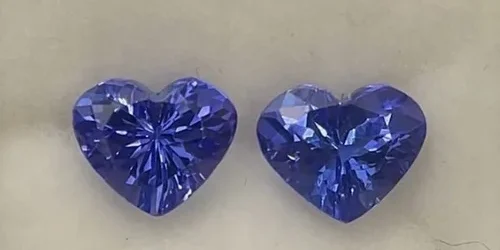
Found in just one place on earth, tanzanite is a relatively recent discovery. Tiffany & Co named this blue-violet variety of zoisite in honor of Tanzania, where it was first unearthed in 1967. Because the crystals show different colors depending on the viewing direction, cutters can fashion gems with a range of color from violetish blue to bluish violet depending on how much weight they want to retain from the rough.
The Four C’s
Colour
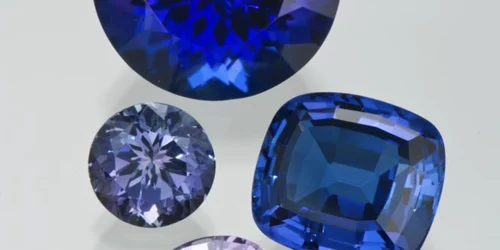
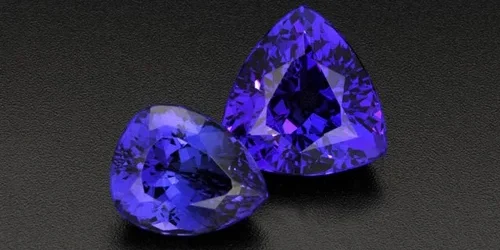
Deep saturated violet blue or blue violet are the most valuable tanzanite colorus. Paler hues are more commonly found.

Clarity
Eye-visible inclusions decrease the value of tanzanite, particularly in lighter coloured stones.
Cut
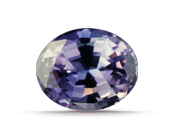
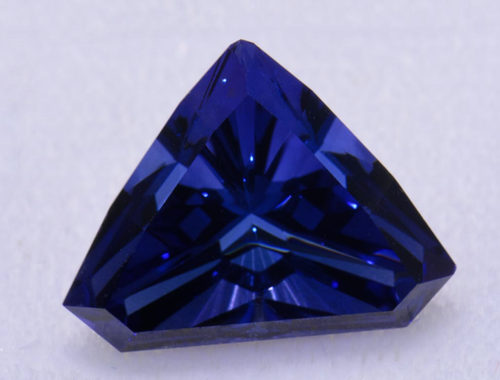
Tanzanite is available in a wide range of shapes but cushion and oval cuts are most common.
Carat Weight
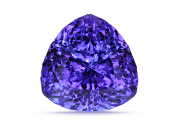
Tanzanite colour is less saturated in smaller sizes. Gems benefit being above five carats in size to have fine colour. Because fine-quality Tanzanites are rarer in larger sizes, value typically increases with carat weight—particularly when strong color, clarity, and cut are maintained.
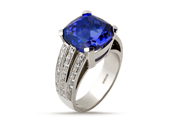
Tanzanite, along with zircon, turquoise, and blue topaz, is one of the birthstones for December. It’s also the gemstone associated with the 24th wedding anniversary.
Character & Formation
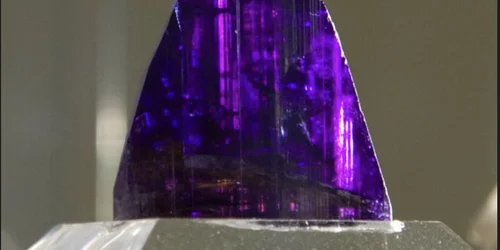
Tanzanite is the violet blue to blue violet variety of the mineral zoisite. It is mined commercially only in one area of the world: the Merelani Hills of Tanzania, which is where it gets its name.
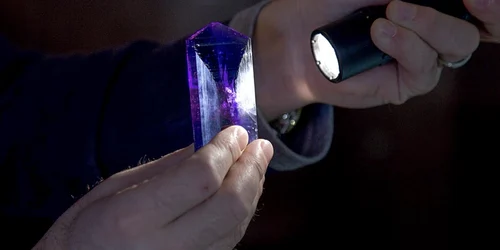
Tanzanite’s appearance is significantly shaped by its pleochroism, which is the phenomenon where a gemstone displays different colors when observed from different crystal angles. This characteristic was first documented in scientific literature shortly after the stone’s discovery. In 1969, American Mineralogist described tanzanite’s pleochroic colors as ranging from red-violet, deep blue, to yellow-green. Today, most tanzanites undergo heat treatment, which typically diminishes or eliminates the yellow-green or brownish tones, enhancing the blue and violet hues.
High-quality tanzanite may appear as a violetish blue, similar to that of a fine sapphire, or exhibit a distinct violet shade all its own. Some stones may also take on a more purplish appearance, depending on how the cutter aligns the gem. Both violet and blue pleochroic colors are clearly visible when the stone is gently tilted or rocked. This means that each tanzanite showcases a combination of these pleochroic colors. The final color seen depends on the original rough stone’s color, its size, the cutter’s preferred orientation, and the type of light in which the finished gem is viewed. Cool lighting, like daylight-equivalent fluorescent light, will emphasise the blue tones, while warm lighting, such as incandescent light, brings out the violet to purple shades.
As with other coloured gemstones, tanzanites with vivid, intense colours are highly coveted, whereas lighter, pastel-coloured stones are more common and affordable, offering a more subtle charm.
Highlightes
Merelani
Tanzanite is uniquely sourced from the Merelani Hills in northern Tanzania, making it one of the most geographically restricted gemstones in the world.
Clarity
Eye-visible inclusions decrease the value of tanzanite, particularly in lighter coloured stones.
Cut
Tanzanite is available in a wide range of shapes but cushion and oval cuts are most common.